What exploded over Siberia in 1908, flattening millions of trees but leaving no crater?
Open the case filePhoto: Leonid Kulik, the expedition to the Tunguska event, Public domain
Impacts, planets and the Moon, measured by the people who study them. 4 case files, each with its sources.
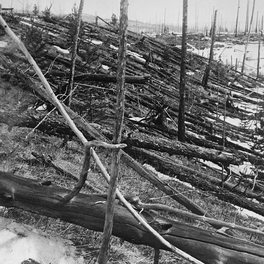
What exploded over Siberia in 1908, flattening millions of trees but leaving no crater?
Open the case filePhoto: Leonid Kulik, the expedition to the Tunguska event, Public domain
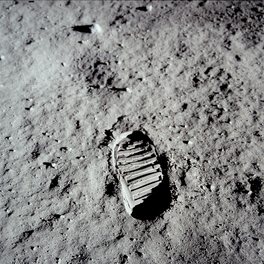
Did humans really walk on the Moon? Look at what they left behind.
Open the case filePhoto: NASA / Buzz Aldrin, Public domain
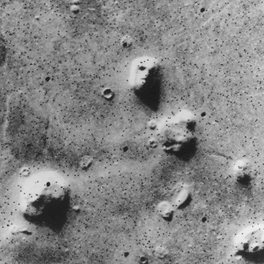
In 1976 NASA photographed a giant face on Mars. What did closer pictures reveal?
Open the case filePhoto: Viking 1, NASA, Public domain
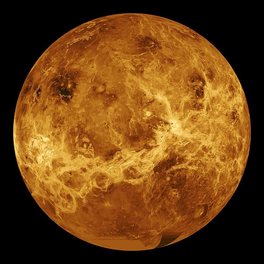
How can a single day on Venus last longer than its whole year?
Open the case filePhoto: NASA/JPL, Public domain
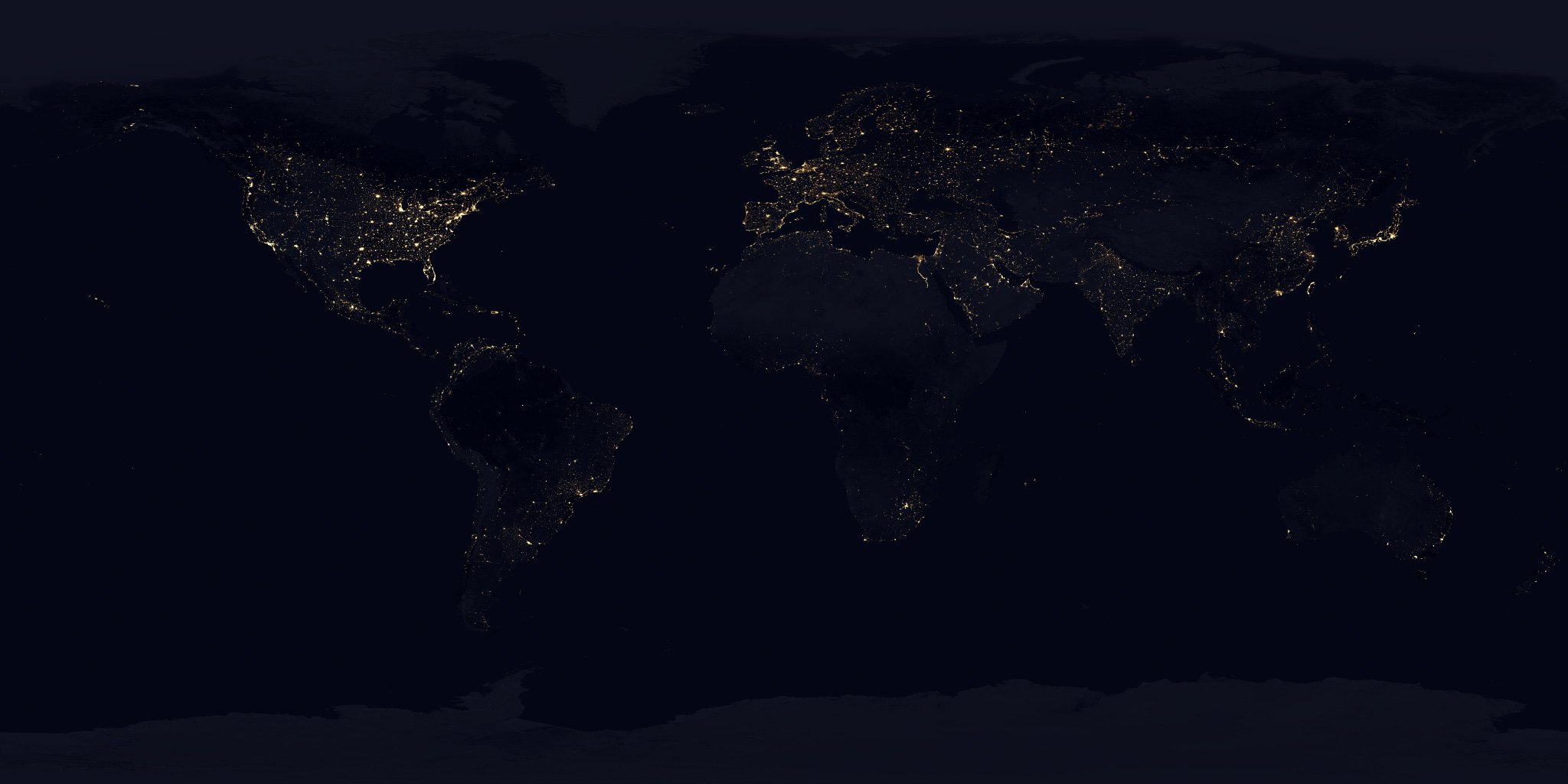
Drag to turn the globe. Select a marker to open its case.
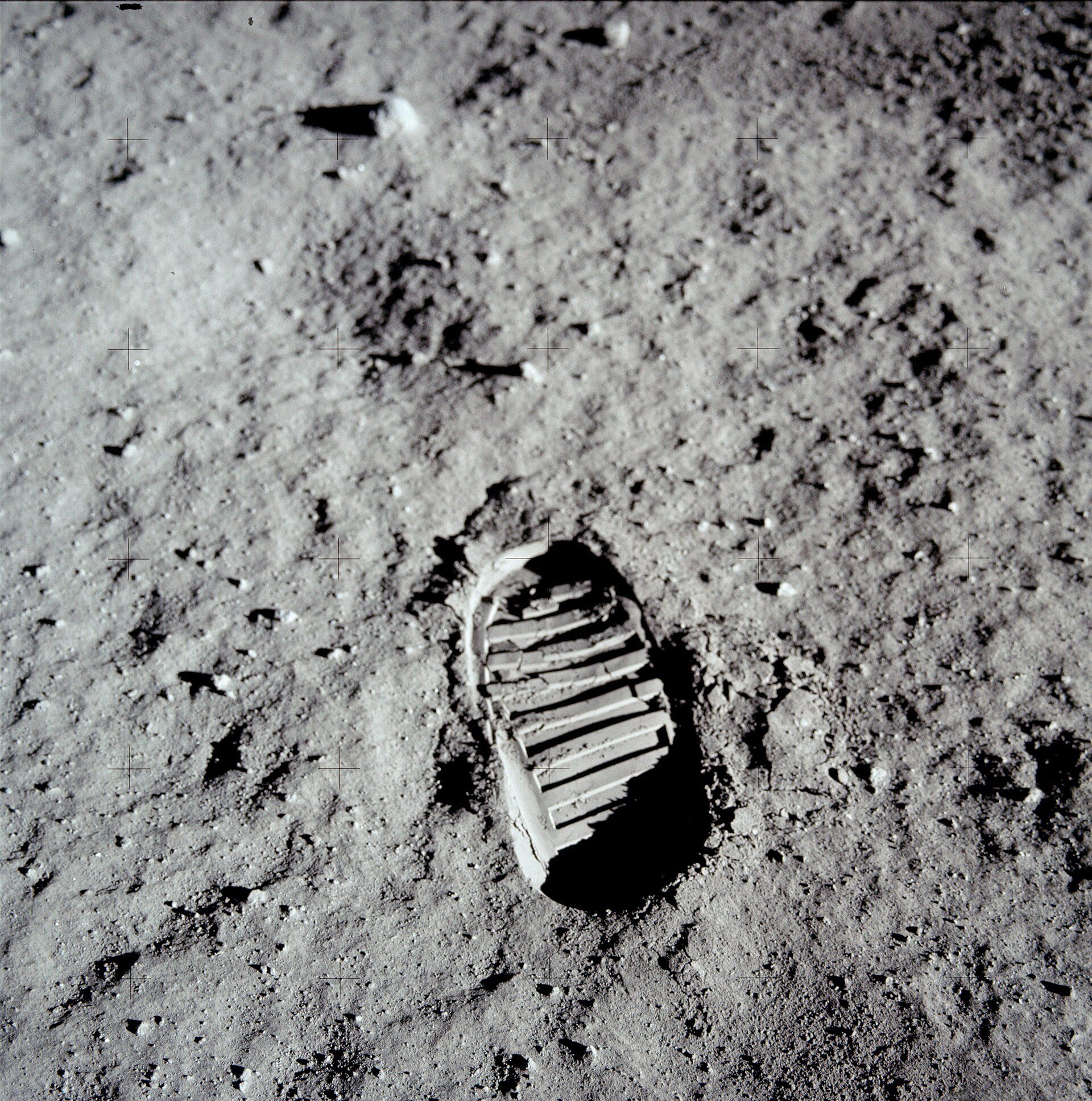
Some people still say the Moon landings were faked. The astronauts left equipment that scientists still use, and an orbiter has photographed it.
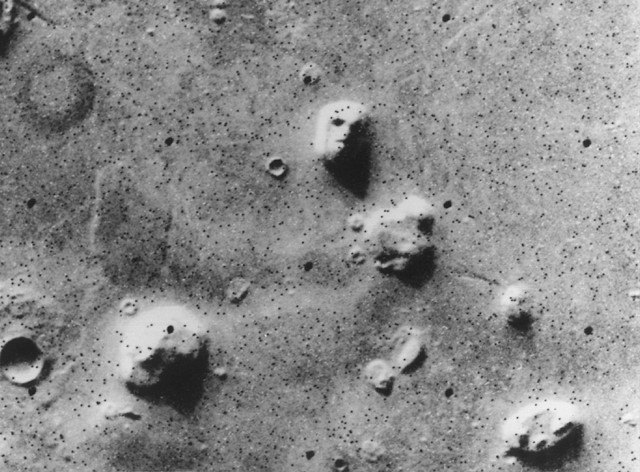
In 1976 a NASA orbiter photographed what looked like a giant face on Mars. Sharper cameras showed what it really is.
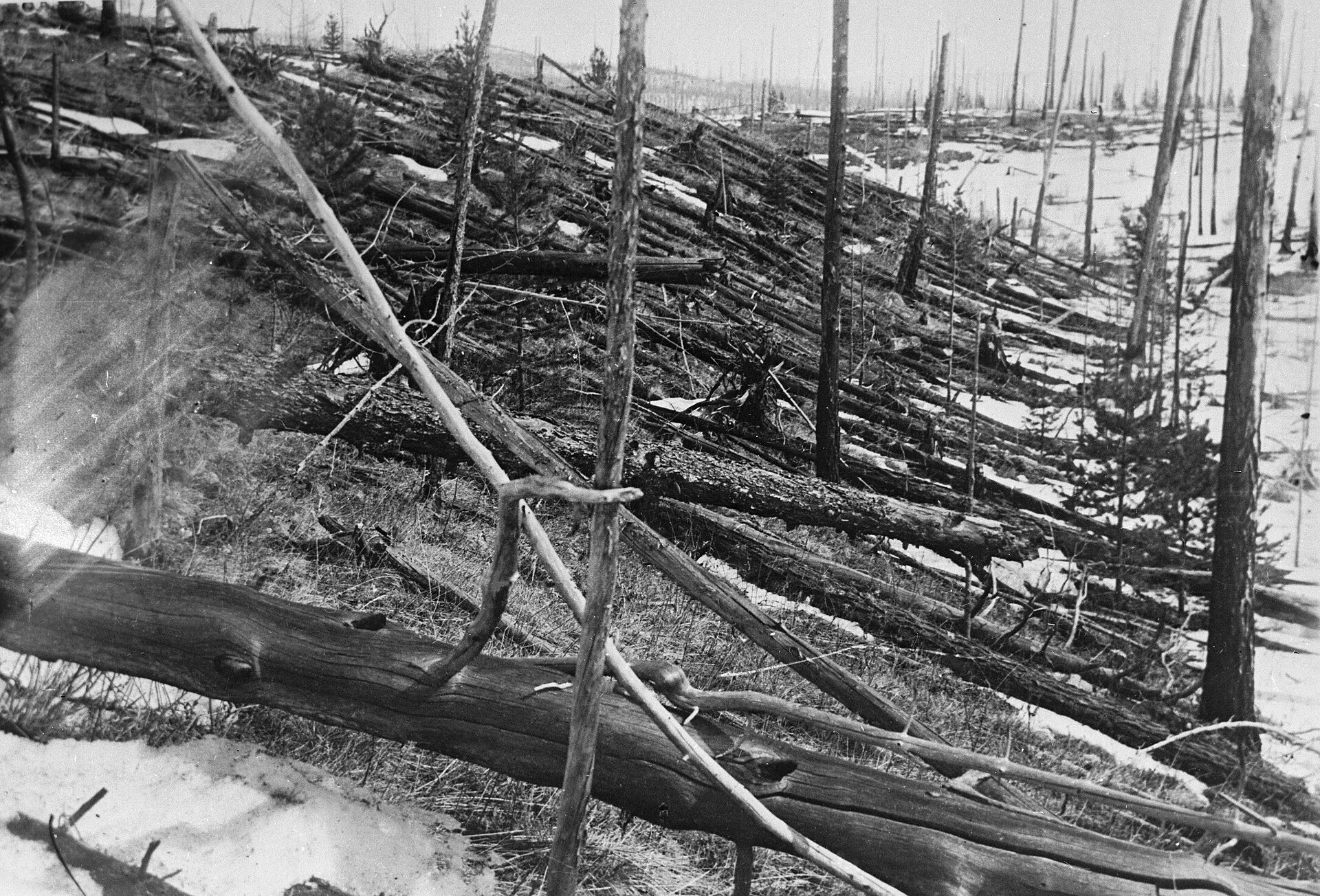
In 1908 an explosion over Siberia knocked down millions of trees across 830 square miles. No crater was ever found.
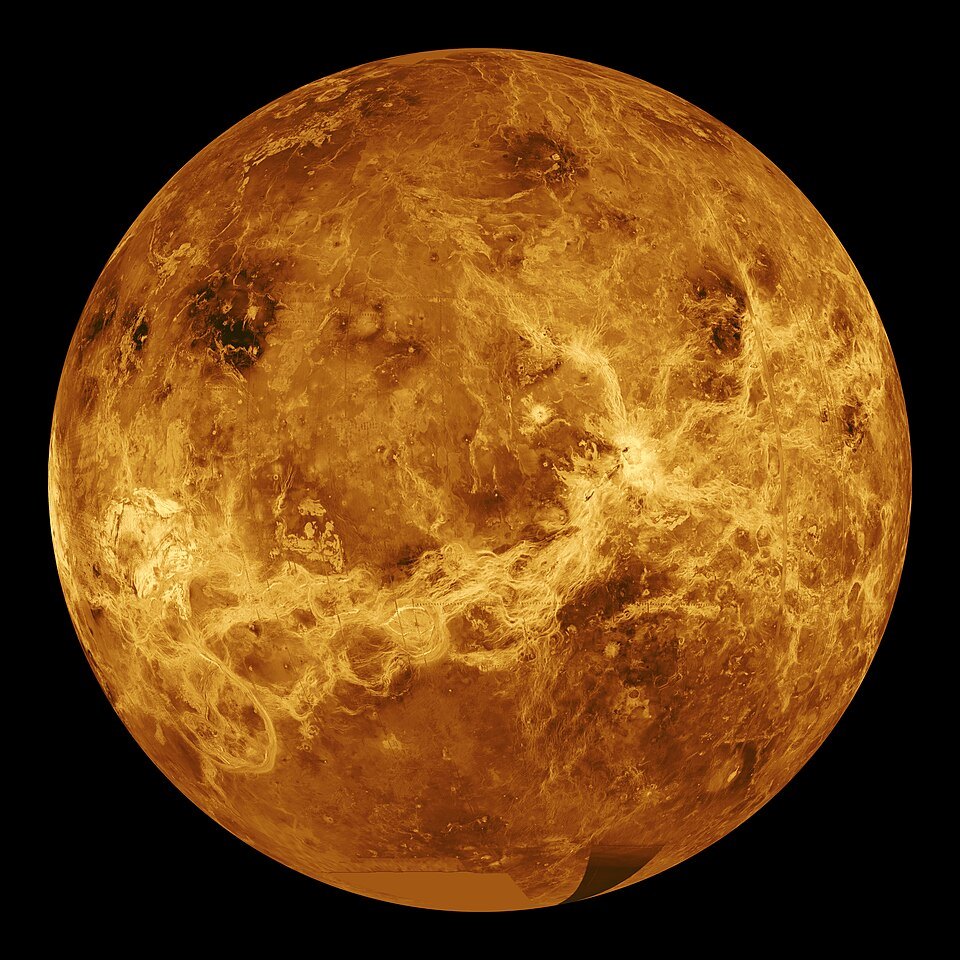
Venus takes longer to spin once than to circle the Sun, and the Sun rises in the west.
We work from primary sources: original records, peer-reviewed research, space agencies, museums and government documents. Each case shows its sources and ends with an honest verdict. When something is unexplained, we say so.