The Pentagon officially released three Navy videos of unidentified objects. What do they actually show?
Open the case filePhoto: United States Navy, Public domain
Signals, sightings and sworn testimony, weighed against what can actually be shown. 4 case files, each with its sources.
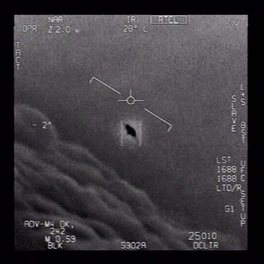
The Pentagon officially released three Navy videos of unidentified objects. What do they actually show?
Open the case filePhoto: United States Navy, Public domain
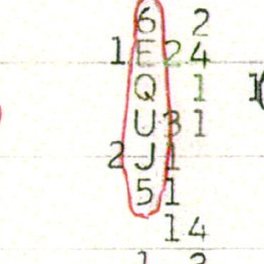
What sent one of the strongest signals ever caught from deep space, for 72 seconds, and never again?
Open the case filePhoto: Big Ear Radio Observatory and North American AstroPhysical Observatory (NAAPO), Public domain
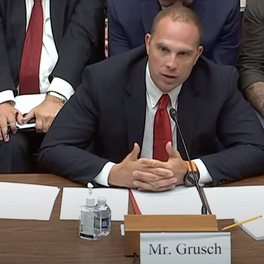
A former intelligence officer told Congress, under oath, that the US has recovered non-human craft. Where is the proof?
Open the case filePhoto: U.S. House Subcommittee on National Security, the Border, and Foreign Affairs (screenshot from government website video broadcast), Public domain
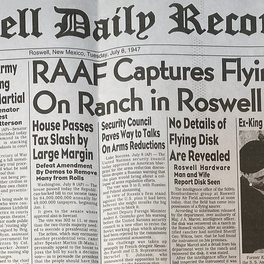
In 1947 the US Army announced it had captured a flying saucer. What did it really find?
Open the case filePhoto: Roswell Daily Record, Public domain

Drag to turn the globe. Select a marker to open its case.
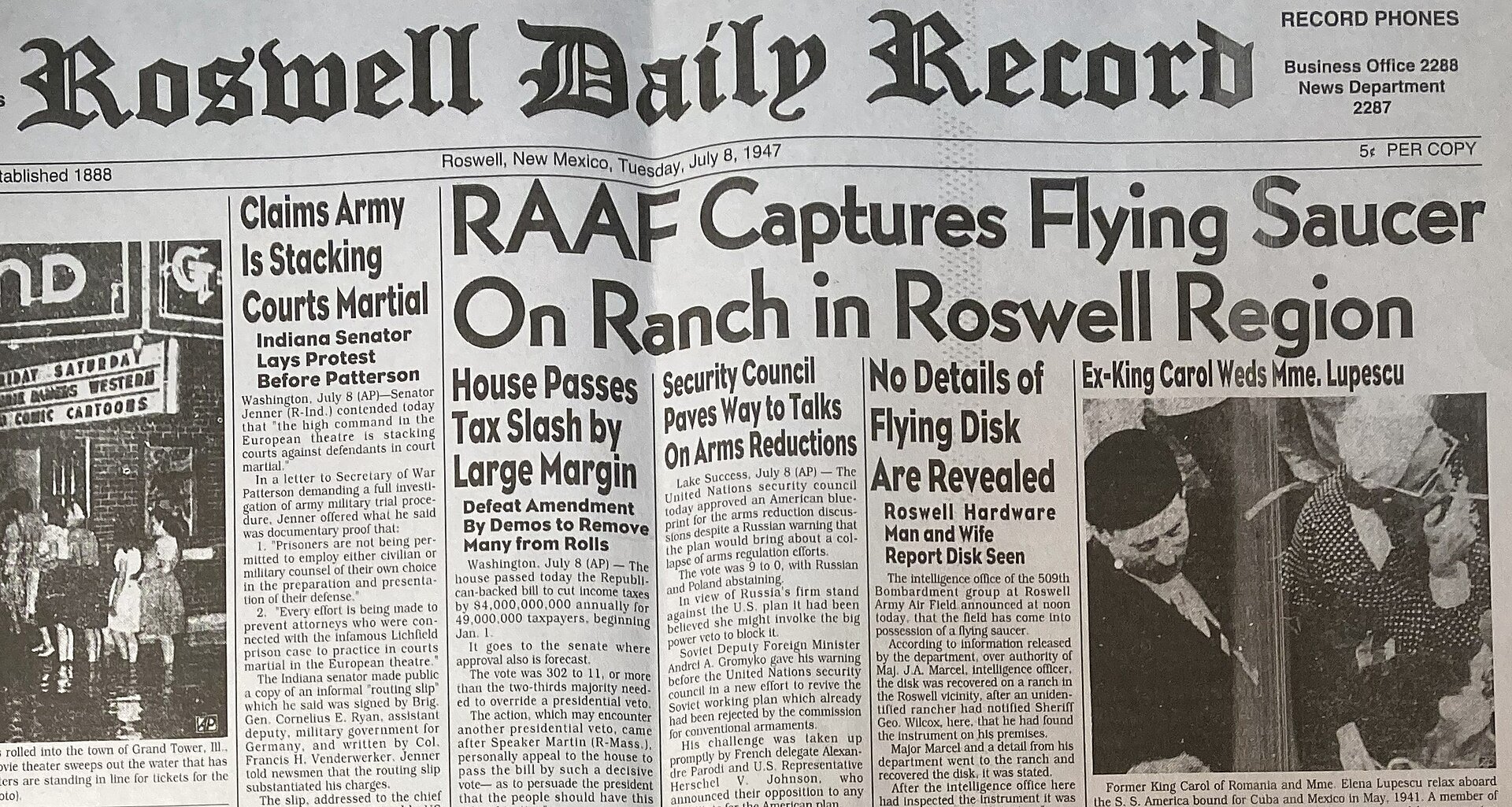
In July 1947 the US Army announced it had captured a "flying saucer" in New Mexico, then said it was a weather balloon. The fuller answer took almost 50 years.
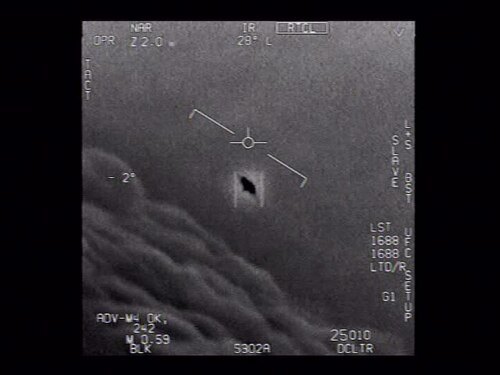
Three cockpit videos of unidentified objects leaked from the US Navy. In 2020 the Pentagon released them officially. Here is what they show, and what they do not.
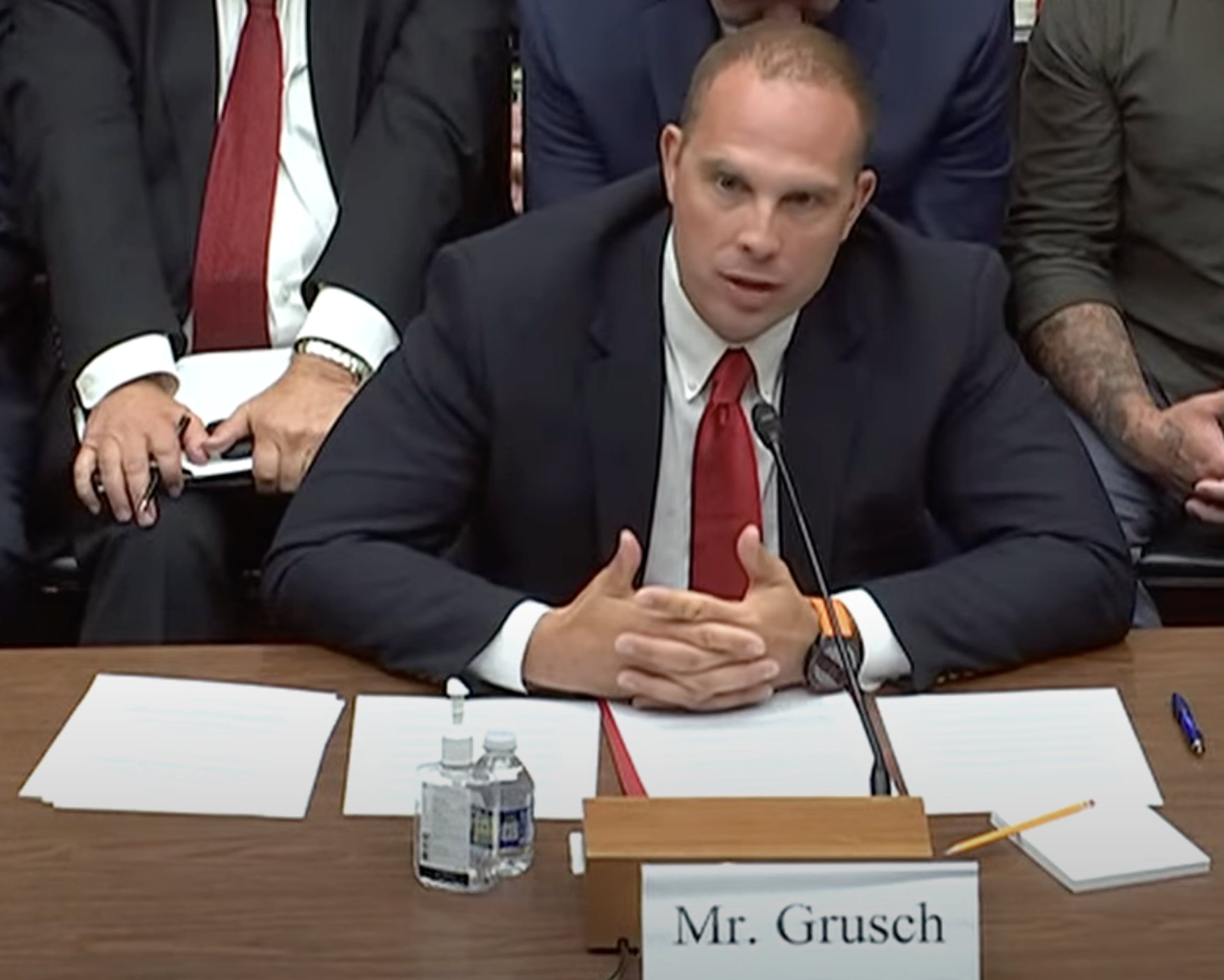
A former intelligence officer told the US Congress, under oath, that the government has recovered "non-human" craft. Here is what was actually proven.
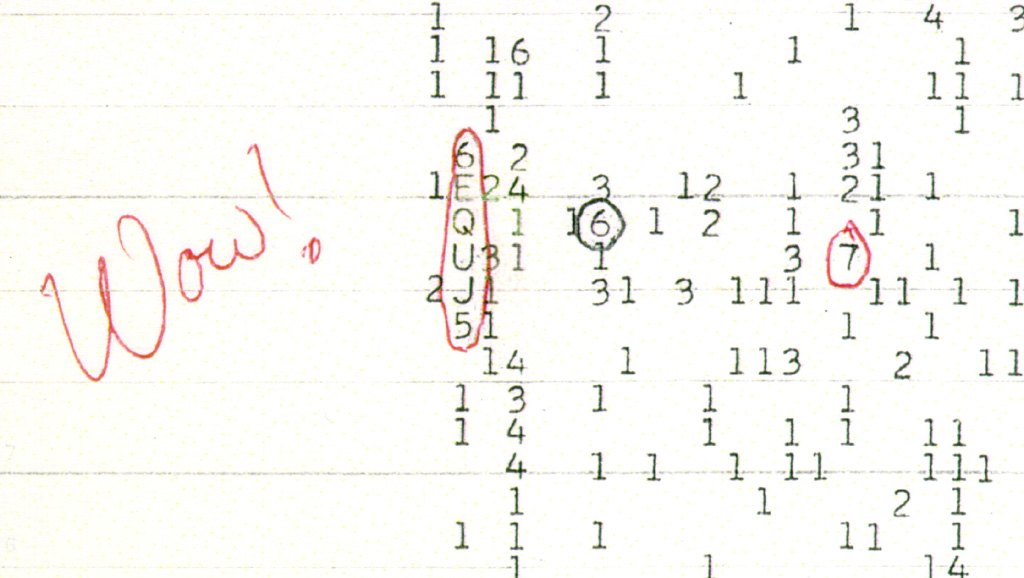
In 1977 a radio telescope in Ohio caught one of the strongest signals ever detected from deep space. It has never been heard again.
We work from primary sources: original records, peer-reviewed research, space agencies, museums and government documents. Each case shows its sources and ends with an honest verdict. When something is unexplained, we say so.