The Halifax Explosion of 1917
Two ships collided in a Canadian harbour. One was packed with explosives. Within minutes, a whole district of the city was gone.
On the morning of 6 December 1917, in the middle of the First World War, the French freighter Mont-Blanc collided with the Norwegian ship Imo, which was carrying Belgian relief supplies, in Halifax Harbour.
The Mont-Blanc was carrying about 2,500 tons of high explosives and a deck load of the flammable chemical monochlorobenzene. The collision started a fire that firefighters could not put out.
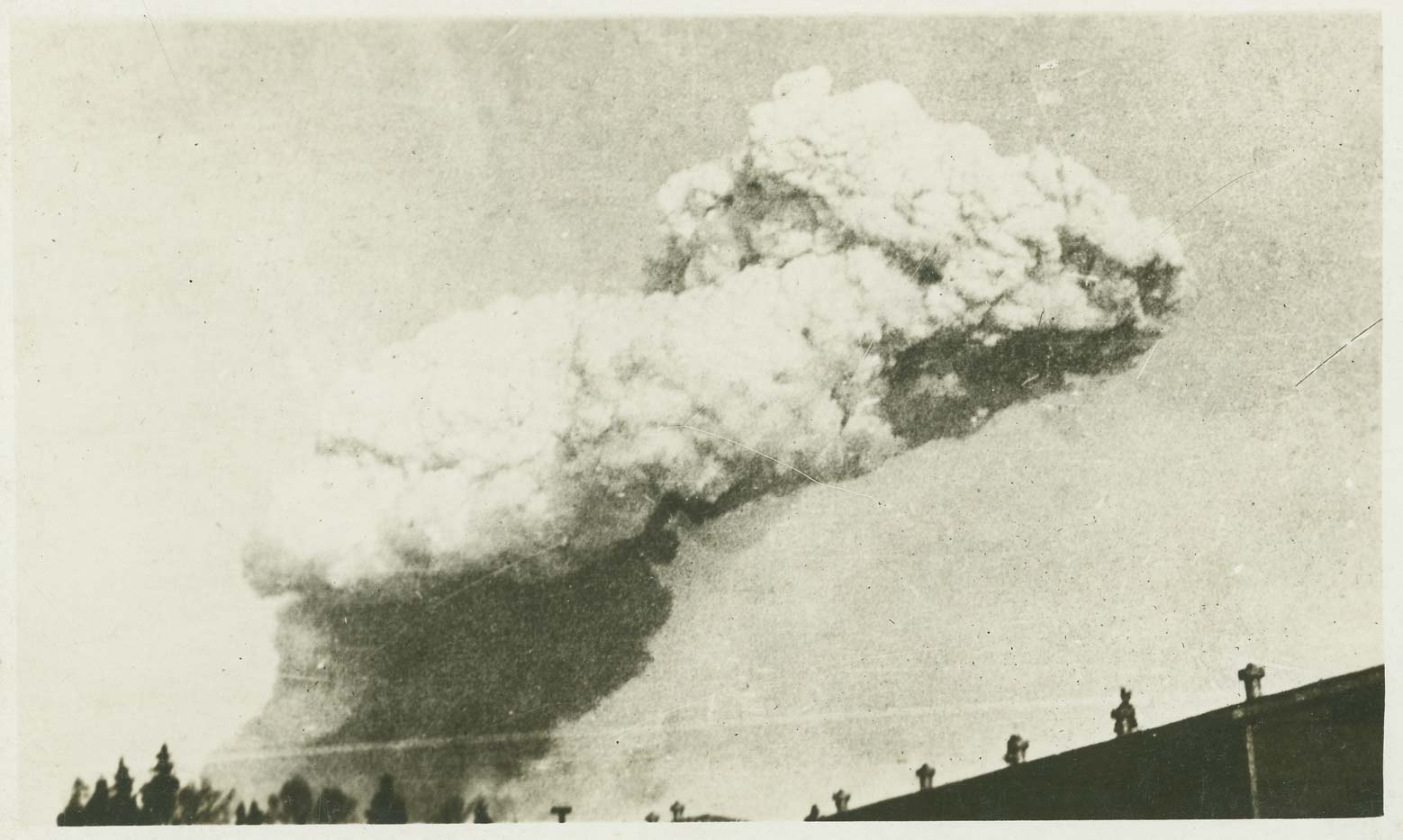
A few seconds before 9:05 a.m. the cargo exploded. The blast spread destruction across 325 acres. The Richmond district in the north end of Halifax and much of Dartmouth across the water were all but wiped out.
The official death toll was 1,963. About 9,000 people were injured and about 6,000 left homeless. More Nova Scotians died in the explosion than in the whole of the First World War.
Exhibit A: the ruins of Richmond
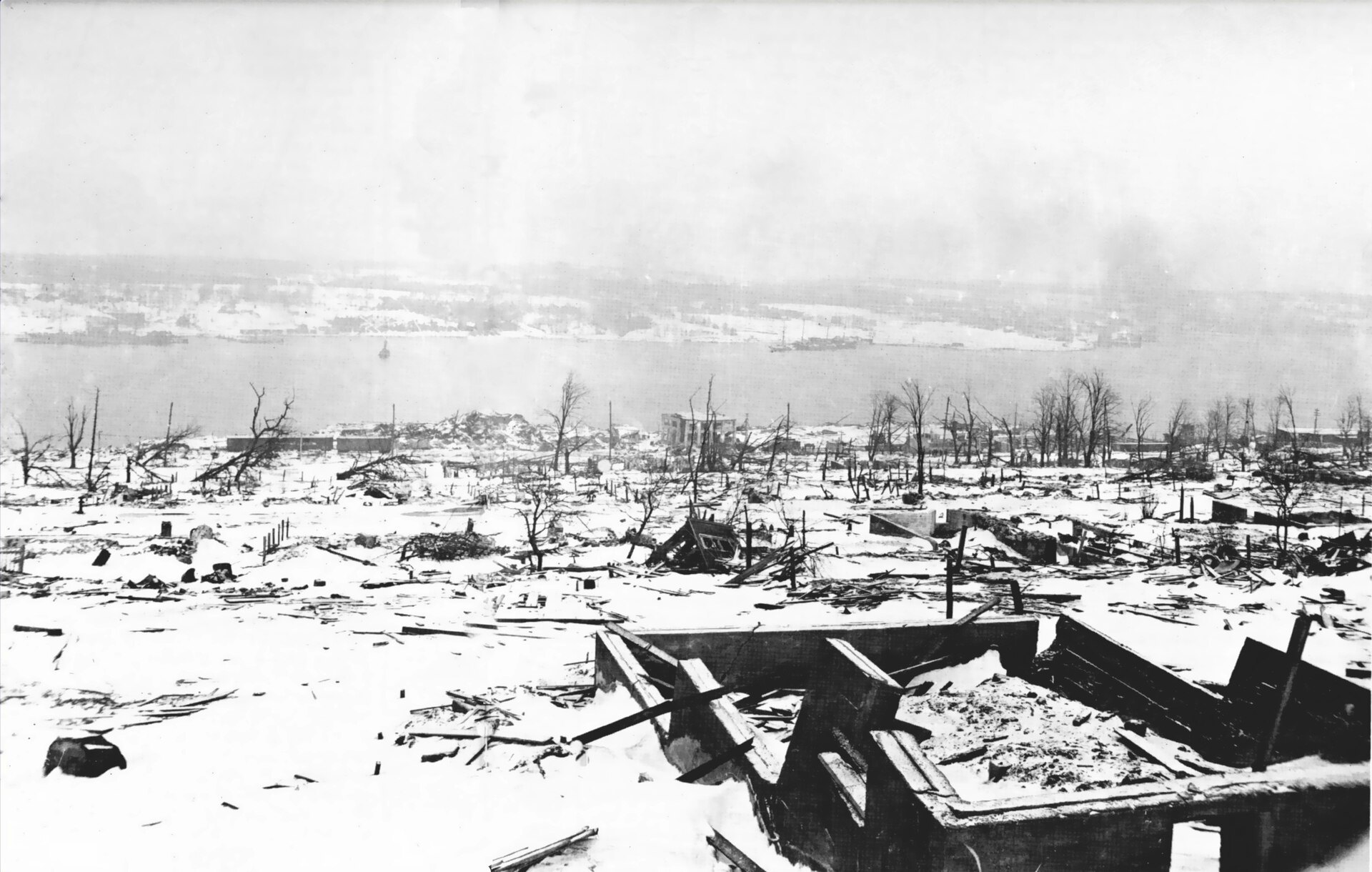
Exhibit B: the footage
Evidence
- The Nova Scotia Archives and the Canadian War Museum both document the collision, the cargo and the toll.
- Photographs and film taken in the weeks and years after show the flattened Richmond district.
- At the time it was described as the worst man-made disaster in the world's history.
What do you think happened?
You have the evidence. Stamp your verdict before you read ours.
Verdict
CONFIRMEDBacked by strong, verifiable evidence.
Thoroughly documented. Death tolls differ slightly between sources: the Canadian War Museum gives the official figure of 1,963.
How readers voted
Sources
- Nova Scotia Archives: Halifax and Its People, the Halifax Explosion
- Canadian War Museum: The Halifax Explosion
Image credits
- Blast cloud from the Halifax Explosion, December 6, 1917.jpg. Unknown photographer, Public domain
- Halifax Explosion - harbour view - restored.jpg. William James (Toronto), Public domain
- Halifax Explosion, W.G. MacLaughlan, 1917-1920, Scene 01.webm. W.G. MacLaughlan, Public domain
Published 2026-10-25. Spotted an error? Email provenmysteries@gmail.com.