The Year Sweden Had a February 30th
A botched calendar switch left Sweden out of step with everyone. Its fix was a date that has never existed anywhere else.
In 1700, much of Europe was moving from the old Julian calendar to the Gregorian calendar used today. Sweden decided to switch gradually, by leaving out leap days for several years.
So 1700, which should have been a leap year, was not one in Sweden. But then 1704 and 1708 were kept as leap years by mistake.
That left Sweden out of step with both calendars. To get back in line with the old Julian calendar, it added two leap days to 1712: February 29 and February 30.
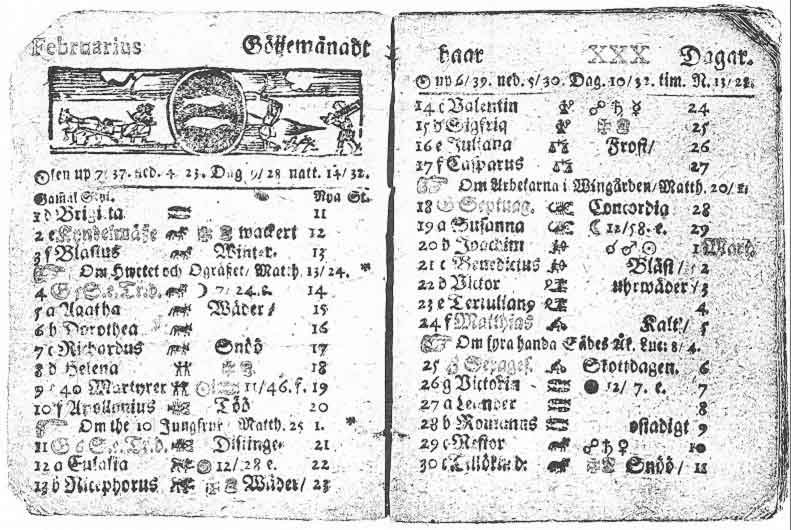
Swedish almanacs printed for that year show the extra day, marked as added.
Evidence
- A Swedish almanac for 1712 lists February with 30 days, with the 30th marked "Tillökad" (added).
- Timeanddate.com documents the failed gradual switch and the two leap days added in 1712.
What do you think happened?
You have the evidence. Stamp your verdict before you read ours.
Verdict
CONFIRMEDBacked by strong, verifiable evidence.
Confirmed. February 30, 1712 was a real day in Sweden.
How readers voted
Sources
- Timeanddate.com: February 30, 1712, Sweden adds February 30 to the calendar
- Wikimedia Commons: two pages from a Swedish almanac of 1712, with notes on the text
Image credits
- Feb1712.jpg. Sendker, Public domain
Published 2026-10-25. Spotted an error? Email provenmysteries@gmail.com.